


Why Your Muscles Keep Cramping: The Real Science Behind Magnesium and Muscle Function
Muscle cramps are sharp, sudden, and often intensely uncomfortable — and they can strike anyone, from athletes to office workers to older adults. Most people blame dehydration or poor stretching, but the deeper cause is often a mineral imbalance.

Magnesium, the mineral responsible for helping muscles relax, plays a central role in how your muscles contract, release, and recover. When your magnesium levels drop, muscle tissue becomes unpredictable, tight, and overly reactive.
Whether you’re stressed, sitting for long hours, pushing yourself during workouts, or simply going through day-to-day routines, magnesium deficiency can quietly build up and trigger cramps when you least expect them.
In this detailed breakdown, Be Weird uncovers the real science behind muscle cramps and why restoring magnesium — especially through Be Weird Magnesium Lotion — can transform your comfort, mobility, and daily performance.
1. Magnesium Controls the Muscle Contraction–Relaxation Cycle
Muscles work through a precise chemical exchange: calcium triggers contraction, while magnesium triggers relaxation. When magnesium drops too low, calcium dominates the muscle fibers, keeping them contracted longer than they should be.
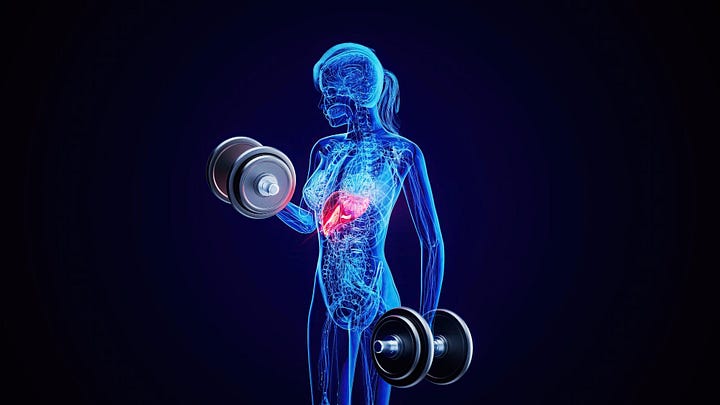
This leads to involuntary tightening, spasms, or painful cramps that come out of nowhere. Low magnesium also disturbs nerve signaling, causing muscles to misfire or overreact to even small triggers.This imbalance makes your muscles feel tense, tight, or “ready to cramp” at any moment.
Magnesium restores harmony by allowing muscle fibers to relax fully after contraction, supporting smooth, controlled movement. Without this mineral, muscles simply cannot function as they’re designed to. Replenishing magnesium ensures your contraction–relaxation cycle runs effortlessly and reduces the frequency of sudden cramping.
2. Modern Lifestyle Habits Rapidly Deplete Magnesium Levels
Most people don’t realize how quickly daily habits drain magnesium. High stress activates cortisol, which uses up magnesium at a rapid pace. Poor sleep weakens the nervous system, forcing the body to consume even more magnesium to stabilize itself.

Caffeine, processed foods, heavy sweating, long work hours, and screen-induced stress further deplete this essential mineral.
Even if you eat what you consider a balanced diet, these constant drains can leave your muscles under-supported. When the body loses magnesium faster than it replaces it, muscle fibers stay in a tense, contracted state and become prone to sudden cramps.
Understanding these hidden drains helps explain why cramps appear “randomly” — even in people who think they’re doing everything right. Increasing magnesium intake helps your body stay ahead of these lifestyle-driven losses.
3. Early Signs of Deficiency Appear Before Full Cramps Start
Before a severe cramp arrives, your body sends subtle warnings that magnesium is running low — but many people overlook them. Eye twitching, calf tightness, jaw clenching, shoulder stiffness, tingling sensations, and those annoying small muscle flickers all signal magnesium imbalance. These symptoms show that the nerves controlling your muscles are becoming irritable and unstable.

Ignoring these signs allows the deficiency to grow until muscles suddenly seize or cramp painfully. Addressing magnesium levels at the early stage can prevent this escalation and improve how your muscles feel throughout the day. When your magnesium is balanced, nerve impulses steady, muscle fibers stay relaxed, and your overall comfort and coordination improve significantly.
4. Food Provides Magnesium, but Muscles Often Need More, Faster
Foods like nuts, seeds, dark chocolate, oats, and leafy greens are rich in magnesium — but digestion distributes magnesium slowly, and most of it is prioritized for vital systems like heart rhythm, nerve health, and cell energy. This means that by the time magnesium reaches the muscles, the amount may be too small to correct an existing tension or cramp issue.

People who eat clean diets often wonder why they still experience cramps, and this is the reason: muscles require a faster and more direct supply when levels are already low. When deficiency becomes moderate or severe, food alone cannot restore balance quickly enough. That’s why cramps persist despite eating healthy — the muscles simply need magnesium delivered in a more efficient way.
5. Topical Magnesium Lotion Delivers Fast, Targeted Relief to Muscles
Applying Magnesium Lotion through the skin allows the mineral to absorb directly into muscle tissue, making topical magnesium lotion one of the most effective ways to relieve cramps. Because it bypasses digestion completely, the magnesium reaches the affected muscles quickly, helping tight fibers unlock and return to a relaxed state.
Topical magnesium reduces inflammation, calms overstimulated nerves, improves circulation, and soothes the exact muscles that feel tight or cramp-prone. Whether cramps strike during the night, after exercise, or throughout the day, magnesium lotion provides direct, fast relief and helps restore long-term muscle balance.
For many people, this becomes a daily comfort ritual — simple, natural, and highly effective.
Final Thought
Muscle cramps are not accidents — they are signals from your body asking for support. At the center of smooth muscle function is magnesium, the mineral that prevents unwanted contractions and keeps your muscles relaxed and responsive. When levels drop, cramps, twitching, stiffness, and tension become unavoidable.
By understanding magnesium’s essential role and supporting your muscles with both internal intake and Be Weird magnesium lotion, you give your body the tools it needs to move freely, comfortably, and without sudden pain. Balanced magnesium means balanced muscles — and better control over your everyday comfort and mobility.

Before You Go…
Here are a few handpicked articles to inspire your next self-care moment.


