


How Staying Active Helps Manage Back and Muscle Pain
When back or muscle pain strikes, the first thing most people do is stop moving. Rest feels safe. You might think, “If I don’t move, it won’t hurt.”
But what starts as a few days of rest often turns into weeks of limited movement — and that’s where the real problem begins.

Modern research shows that too much rest can actually make back and muscle pain worse.
When your body stays still, your muscles start to weaken, joints lose flexibility, and blood flow slows down.
The result? Your body becomes more sensitive to pain, and even simple actions — like bending to pick up a bag or sitting through a meeting — can feel uncomfortable.
Over time, this creates what experts call the “pain–inactivity cycle”: you hurt, so you move less; you move less, so you hurt more.
It’s a loop that traps many people — especially those who spend long hours sitting at a desk, driving, or doing repetitive work.
The good news is that it’s not permanent. You can break this cycle by understanding how movement helps your body heal — and by taking small, steady steps toward staying active every day.
Why Movement Matters More Than You Think
Pain can make movement scary. But staying active isn’t about pushing through pain — it’s about helping your body relearn that it’s safe to move.
Here’s what actually happens when you start moving again:
1) Stronger Muscles = Less Pain
Your muscles act like natural support systems for your joints and spine. When they’re strong, they absorb stress better and protect your body from strain.
2) Better Blood Flow = Faster Healing
Movement improves circulation, delivering oxygen and nutrients to sore tissues. This speeds up repair and flushes out waste products that cause stiffness.
3) Flexible Joints = Easier Movement
Regular stretching and activity prevent tightness around the back, neck, and legs. It keeps your joints lubricated and ready to move without discomfort.
4) Active Brain = Calmer Pain Signals
Exercise doesn’t just strengthen muscles — it retrains your brain. It teaches your nervous system that normal movement isn’t dangerous, which can reduce chronic pain signals over time.
5) Good Mood = Natural Pain Relief
Physical activity releases endorphins — your body’s natural painkillers. They improve mood, reduce anxiety, and help you sleep better — all of which are crucial for recovery.
How to Stay Active (Even When It Hurts)
If you’ve been dealing with pain for a while, the idea of exercising may sound impossible.

But remember: movement doesn’t have to mean workouts.
It’s about building simple habits that keep your body in motion.
Here are gentle ways to start:
1) Take short walks — even 5–10 minutes after meals.
2) Stretch after waking up or before sleeping.
3) Do light yoga to improve flexibility and posture.
4) Stand up every 30 minutes if you sit a lot.
5) Use stairs instead of elevators when possible.
6) Try gentle core exercises like bridges or pelvic tilts to support your back.
7) Add small “movement breaks” — even standing or rolling your shoulders helps.
You don’t need perfection — you need consistency. The goal is to move often, even a little, and remind your body that motion is healing.
Common Mistakes People Make
Many people think “resting until it stops hurting” is recovery. But complete rest can backfire.
Here’s what to avoid:
1) Waiting too long to move again. The longer you wait, the harder it becomes to rebuild strength.
2) Doing too much, too soon. Start slow — pain relief takes time.
3) Poor posture during rest. Even small slouches can strain your back.
4) Skipping warm-ups or stretching. Muscles need gentle prep before activity.
Recovery is a balance between rest and movement — not one or the other.
The Role of Magnesium in Muscle Recovery
If you’ve ever experienced sore or tight muscles after a long day or light workout, you know how frustrating it can be. That’s where magnesium plays an important role.
Magnesium is a key mineral involved in over 300 processes in the body — including muscle relaxation, nerve function, and energy production.
When magnesium levels are low, muscles are more likely to cramp, tighten, or feel fatigued.
Increasing your magnesium intake can help reduce soreness and improve recovery — especially after activity.
But instead of just taking pills, applying magnesium directly to the skin helps deliver it to sore areas faster and more effectively.
How Be Weird Magnesium Lotion Helps You Stay Active
When you’re trying to stay active, recovery is just as important as movement. That’s where Be Weird Magnesium Lotion can make a real difference.
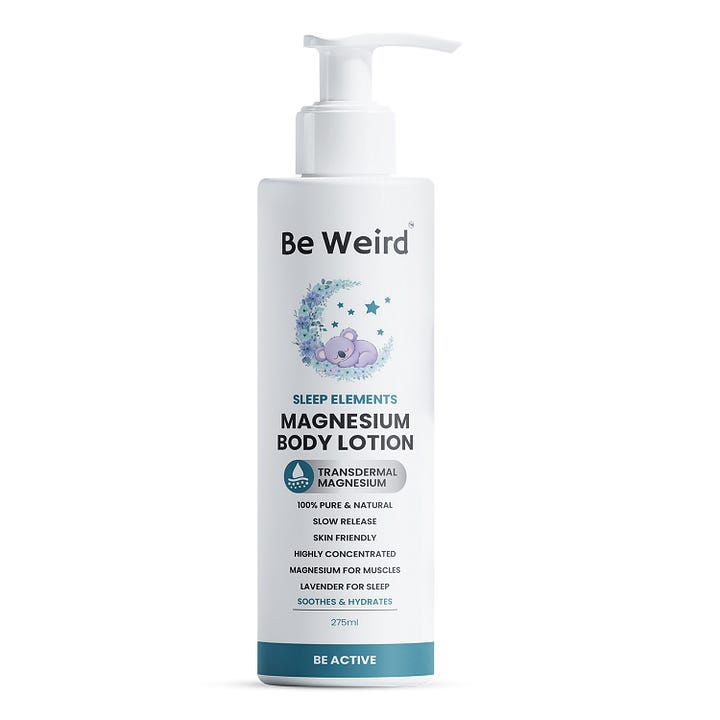
Formulated with high-quality magnesium and soothing natural ingredients, it helps relax tight muscles, reduce post-activity soreness, and calm inflammation.
Regular use keeps your muscles feeling comfortable — so you can move more freely and recover faster.
How to Use:
- Apply after stretching, walking, or exercise.
- Massage into sore or stiff areas like your back, shoulders, or calves.
- Use before bed to help your body relax and recharge overnight.
It’s a simple way to support recovery naturally — without harsh chemicals or strong odors.
Think of it as a daily self-care step that helps you keep moving toward a pain-free life.
The Power of Small Daily Changes
Pain management doesn’t have to mean big lifestyle shifts.
In fact, the smallest changes often make the biggest difference.
You can start with simple goals:
- Move for 10 extra minutes each day.
- Stretch your neck or back during breaks.
- Apply magnesium lotion after every walk.
- Replace long sitting periods with light standing or walking breaks.
Each small habit builds strength, reduces tension, and helps you feel more confident in your body again.
Over time, these micro-changes add up to real transformation.
Final Thoughts
Staying active with back or muscle pain isn’t about ignoring discomfort — it’s about understanding your body’s signals and supporting it with gentle, consistent care.
Movement retrains your muscles and mind; magnesium helps your body recover; and together, they help you break the pain cycle.
So start today — take that short walk, stretch your back, or stand a little taller at your desk.
Apply your Be Weird Magnesium Lotion, give your muscles some love, and remember: every small step counts toward healing.
Because better movement always begins with better recovery — and when you take care of your body, your body takes care of you. 💙
Follow Be Weird for more ways to unwind naturally. ✨
Before You Go…
Here are a few handpicked articles to inspire your next self-care moment.


