


7 Magnesium-Rich Superfoods to Try This Winter That Can Improve Your Health
When winter arrives, many people experience sluggish mornings, low energy, cravings, irritability, or even a dip in mood. Cold weather, shorter days, and reduced sunlight affect how our brain functions — especially our serotonin levels, the hormone that keeps us feeling calm and happy.
But one nutrient can make a noticeable difference: Magnesium.
Often called the “anti-stress mineral,” magnesium supports the brain, body, mood, and immunity — all of which become extra important during the winter season.
In fact, many people also use Magnesium Lotion during cold months because it helps relax muscles, calm the mind, and ease winter stiffness when applied to the skin — a simple way to care for your body when the weather feels harsh.
This blog will help you understand why magnesium matters, how it supports your winter health, and 7 magnesium-rich foods to add to your daily diet.
You can eat it, you can apply it… or you can simply Be Weird Magnesium Lotion in your winter routine — whatever works best for you.
What Is Magnesium and Why Does Your Body Need It?
Magnesium is a vital mineral that participates in over 300 biochemical reactions in the human body. Every organ — especially your heart, muscles, and brain — depends on it.
Here’s what magnesium helps with:
- Supports nerve and muscle communication
- Balances blood sugar
- Maintains steady heartbeat
- Strengthens bones and joints
- Helps produce DNA, proteins, and energy
- Reduces inflammation
- Promotes relaxation and good sleep
- Regulates stress hormones
- Supports immunity
- Increases exercise performance
Your body cannot produce magnesium on its own. It must come from food or supplements — and even topical forms like magnesium lotion, which many people apply at night for relaxation.
Why Is Magnesium Especially Important in Winter?
Winter can trigger:
- Lower serotonin levels (because of reduced sunlight)
- Higher cortisol levels (due to seasonal stress.
- Poor sleep
- Sluggish digestion
- Fatigue and mood swings
Magnesium directly helps with all of these.
Here’s how magnesium supports winter wellness:
1. Boosts Serotonin
Cold weather reduces serotonin production. Magnesium helps increase serotonin levels, improving mood and reducing the risk of Winter Depression or Seasonal Affective Disorder (SAD).
2. Controls Stress Hormones
Magnesium regulates the HPA axis, which manages your body’s stress response. This helps reduce anxiety, tension, and irritability during winter.
3. Improves Sleep Quality
Magnesium enhances the activity of GABA, a neurotransmitter responsible for relaxation. This makes it easier to fall asleep and wake up refreshed — especially when combined with a warm shower and a calming magnesium lotion to relax muscles.
4. Supports Immunity
Winter infections are common. Magnesium assists immune cell function and helps your body fight cold-season bugs more effectively.
5. Reduces Muscle Tension and Fatigue
Cold weather makes muscles feel tighter and more sore. Magnesium relaxes muscle fibers, reduces cramps, and improves recovery.
This is one reason many winter wellness lovers like to be weird magnesium lotion and massage it into their legs or shoulders before bed.
7 Magnesium-Rich Foods to Include in Your Winter Diet
Here are the best foods to naturally increase your magnesium intake this season.
1. Leafy Green Vegetables
Leafy greens like spinach, kale, methi, and mustard greens are some of the richest natural sources of magnesium. Just half a cup of cooked spinach provides around 78 mg of magnesium.
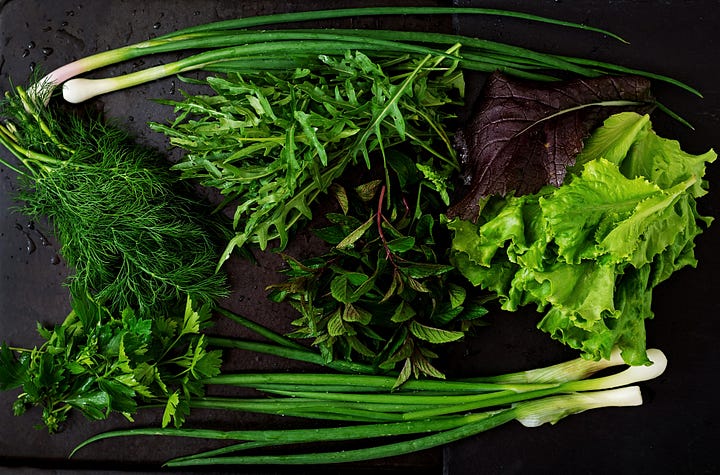
They are also packed with folate, iron, vitamin K, and antioxidants that boost immunity. These greens help improve digestion, reduce inflammation, and support bone health. Including more greens in winter also supports hormone balance and energy levels.
Add them to soups, dals, smoothies, or stir-fries for a warm, nourishing winter meal.
2. Nuts & Seeds
Nuts and seeds are rich in healthy fats, protein, fiber, and magnesium. Just a handful can improve energy, mood, and satisfy cravings naturally.
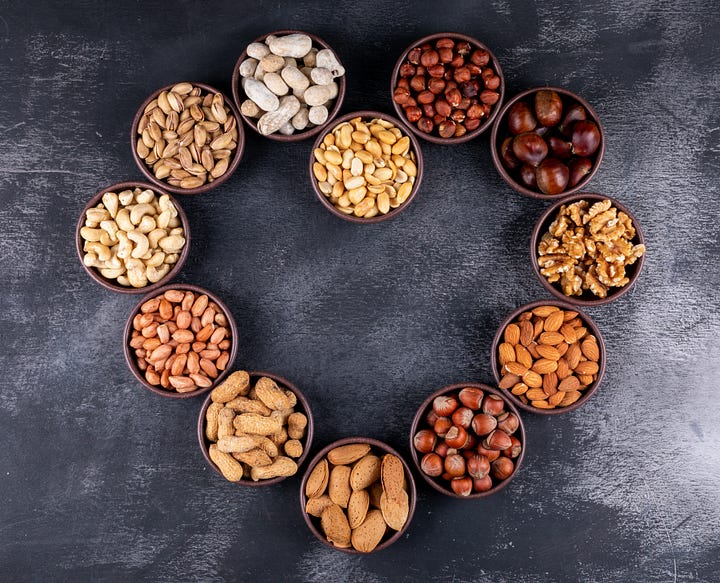
Roasted almonds provide around 80 mg, cashews 72 mg, and peanuts nearly 49 mg. Pumpkin seeds are a magnesium superstar at 150 mg per serving.
They help maintain blood sugar, reduce inflammation, and support heart health.
Sprinkle them on oatmeal, yogurt, salads, or enjoy as an evening snack.
3. Dark Chocolate
Dark chocolate is a delicious and powerful source of magnesium.
One square (28 g) contains around 64 mg, supporting mood and brain function. Its flavonoids act as antioxidants, helping reduce stress and inflammation.

Eating dark chocolate (70% or higher) may enhance focus and calmness.
It also naturally boosts serotonin, which is especially helpful in winter.
Enjoy a small piece after meals or melt into warm winter drinks.
4. Tofu
Tofu is an excellent magnesium source for plant-based eaters.
Half a cup offers around 35 mg, along with protein, iron, and calcium.
It supports muscle health and improves recovery after physical activity.
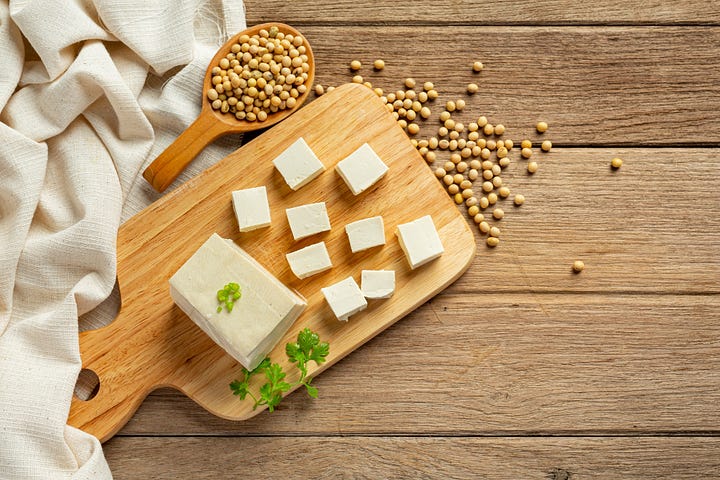
Tofu is low-calorie, versatile, and easy to digest during cold weather.
It also helps maintain hormone balance and stabilizes energy levels.
Add it to stir-fries, curries, bowls, or scramble it with veggies for a warming breakfast.
5. Whole Wheat
Whole wheat contains 160 mg of magnesium per cup — much higher than refined flour. It supports stable blood sugar, better digestion, and longer-lasting energy.

Its fiber content promotes gut health, which is essential during winter. Whole grains also help reduce inflammation and support heart health.
Replacing white flour with whole wheat prevents energy crashes and cravings.
Make rotis, breads, pancakes, or healthy bakes for a wholesome winter diet.
6. Bananas
Bananas are a simple, affordable, and effective way to boost magnesium. One medium banana provides 37 mg, plus potassium and vitamin B6.
They support nerve function, reduce muscle cramps, and regulate fluid balance.
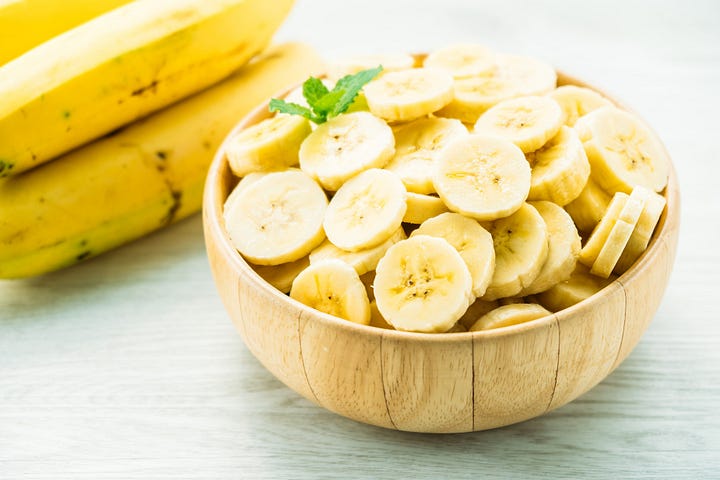
Bananas also help manage sugar cravings that spike during winter. They’re easy on digestion and perfect for pre- or post-workout energy.
Add them to porridge, smoothies, or enjoy as a quick morning snack.
7. Avocados
Avocados provide 58 mg of magnesium per fruit along with healthy fats. They support brain health, hormone balance, and overall winter energy. Their creamy texture makes them easy to use in many winter recipes.
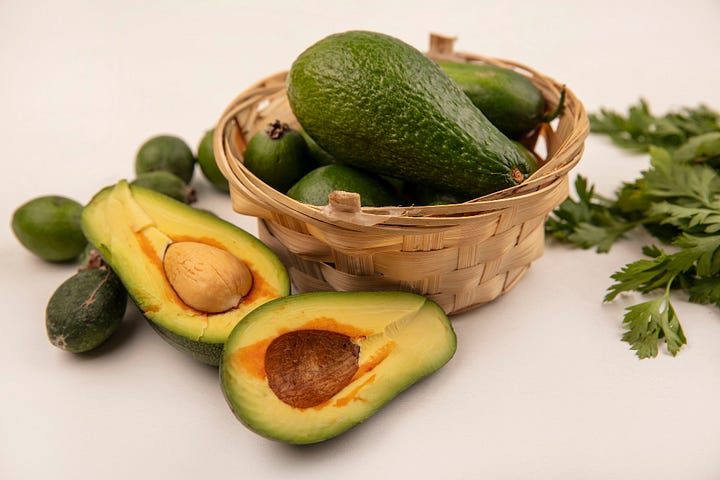
Avocados also improve skin health, which often suffers in cold weather. They help keep you full longer and support a stable mood and blood sugar.
Enjoy them in salads, wraps, toast, or blended into dips.
Final Thoughts
Winter challenges your body in many ways — from mood shifts and poor sleep to muscle stiffness and low energy. Magnesium acts like a natural stabilizer, helping you stay balanced and calm through the season.
By adding magnesium-rich foods like leafy greens, nuts, seeds, dark chocolate, tofu, whole grains, bananas, and avocados into your daily diet, you can:
✔ Enhance mood
✔ Sleep better
✔ Reduce stress
✔ Strengthen immunity
✔ Improve winter energy
And if you want to go beyond diet, using a soothing magnesium lotion at night can support better sleep, calmer nerves, and relaxed muscles.
Sometimes, embracing new rituals — even if they feel a little fun or unusual — is the best way to be weird magnesium lotion and make winter feel kinder to your mind and body.
Before You Go…
Here are a few handpicked articles to inspire your next self-care moment.


